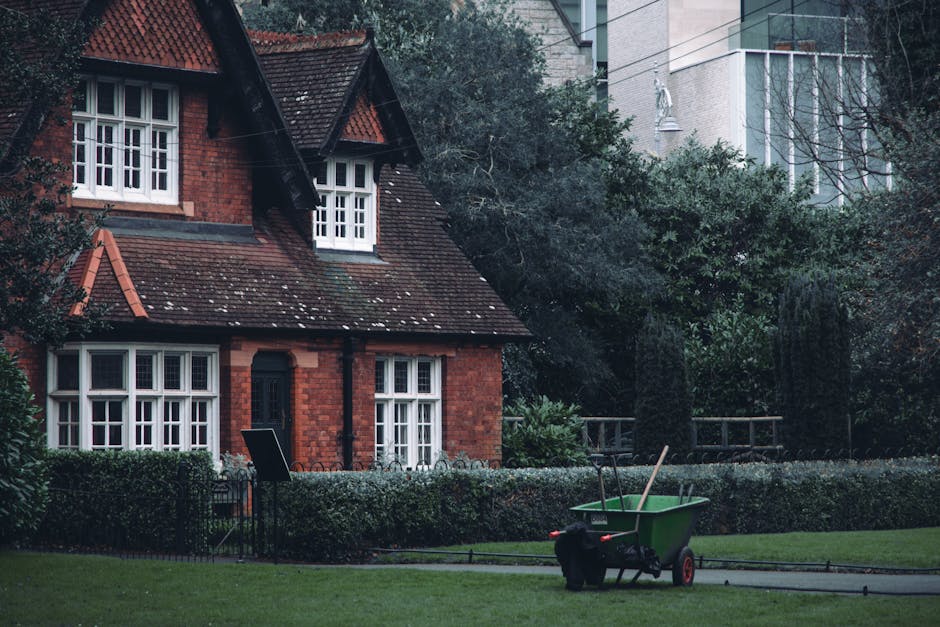
Blackheath Greenwich gardeners for listed property garden care
Listed gardens in Blackheath and Greenwich need a different kind of attention. Not just tidy borders and a neat lawn, but careful, informed maintenance that respects heritage fabric, mature planting, boundary treatment, and the character of the whole site. If you are looking for Blackheath Greenwich gardeners for listed property garden care, you are probably trying to balance two things at once: keeping the garden healthy and usable, while avoiding changes that feel heavy-handed or inappropriate. That is a very real challenge, and to be fair, it catches a lot of people out.
This guide explains what specialist listed property garden care involves, how it is usually approached, what to look for in a gardener, and which mistakes can cause avoidable headaches. You will also find a practical checklist, a comparison table, and a grounded FAQ section so you can make sensible decisions without second-guessing every cut, prune, or planting choice.
Table of Contents
- Why it matters
- How it works
- Key benefits and practical advantages
- Who this is for and when it makes sense
- Step-by-step guidance
- Expert tips for better results
- Common mistakes to avoid
- Tools, resources and recommendations
- Law, compliance, standards, or best practice
- Options, methods, or comparison table
- Case study or real-world example
- Practical checklist
- Conclusion
- Frequently asked questions
Why Blackheath Greenwich gardeners for listed property garden care Matters
Listed properties and their gardens tend to sit in a different category from ordinary domestic gardens. The house may be the protected element, but the setting matters too. Mature trees, old boundary lines, historic paving, traditional planting layouts, original brickwork, and long-established views can all form part of what makes the property special. That means garden work is never just about looks.
In Blackheath and Greenwich, where many homes sit in conservation-minded streets or heritage-rich settings, the garden often plays a role in the overall character of the property. A standard, one-size-fits-all maintenance approach can end up looking too sharp, too modern, or simply out of place. Worse still, it can disturb features that should have been preserved, or lead to avoidable conflicts with planning expectations. No one wants to trim something once and then realise it should never have been touched in the first place. That is an awkward phone call.
Specialist listed property garden care is important because it combines horticultural skill with restraint. The right gardener knows when to cut back, when to leave alone, when to consult before taking action, and how to keep the site attractive without flattening its historic feel. That judgment is the real value.
If you are comparing broader services too, it can help to look at the wider range of support available through garden services in Greenwich and the more routine garden maintenance options that often sit alongside heritage-sensitive work.
How Blackheath Greenwich gardeners for listed property garden care Works
The process usually starts with understanding the site rather than rushing into a quote and a ladder. A proper gardener will look at the size of the garden, the age and condition of the planting, the type of boundaries, the access available, and any visible heritage features. On a listed or historically sensitive property, that first walk-round matters more than people think.
From there, the care plan should become specific. A spring tidy on a formal square garden is not the same as managing a mature mixed border at the back of a Georgian terrace. One might need measured hedge shaping and lawn definition; another might need selective pruning, gentle clearance, and more seasonal restraint. The point is not to impose a style. It is to support the garden that already belongs there.
In practice, the work often includes:
- selective pruning of shrubs and small trees
- careful hedge trimming to maintain proportion
- lawn mowing with attention to edges and presentation
- border weeding and soil care
- deadheading and seasonal tidy-ups
- light clearance that avoids stripping the garden bare
- responsible disposal and recycling of green waste
Sometimes the most valuable skill is knowing what not to do. That sounds simple, but it really is the difference between a garden that feels settled and one that suddenly looks overworked.
Where access, storage, or boundary conditions are tight, a gardener may also need to coordinate additional services. For example, overgrown shrub lines can affect movement around paths, while unsafe or storm-damaged trees may call for a separate assessment through tree lopping and removal. If the site needs a reset before maintenance can begin, garden clearance may be the sensible first step.
Key Benefits and Practical Advantages
There are obvious benefits, and then there are the quieter ones that only become obvious once you have lived with the garden for a while. With listed property care, both matter.
- Protects historic character: Plants, paths, and boundaries can be maintained in a way that suits the property's age and style.
- Reduces avoidable damage: Careful work helps prevent over-pruning, root disturbance, or accidental harm to heritage features.
- Improves year-round appearance: A considered approach keeps the garden tidy without making it look staged or unnatural.
- Supports plant health: Regular, well-timed maintenance is kinder to established shrubs, lawns, and trees.
- Makes decision-making easier: You are not constantly wondering whether every little change needs special treatment.
- Helps with planning and continuity: A consistent gardener learns the site, which is a big advantage on complex properties.
There is also a practical benefit for owners and managing agents: less reactive work. When maintenance is regular, you are less likely to face a sudden jungle moment after a few wet weeks and a burst of growth. We have all seen gardens that go from respectable to slightly wild in what feels like a single Saturday. London weather can do that.
For owners who want a wider landscape refresh without losing the property's character, measured landscape gardening or carefully planned landscaping can be useful, provided the design remains sympathetic to the building and its setting.
Who This Is For and When It Makes Sense
This service is not only for large estates or grand terraces. It makes sense for anyone responsible for a listed garden or heritage-sensitive property where ordinary maintenance is not quite enough.
You may need this if you are:
- the owner of a listed house with a mature front or rear garden
- a landlord or managing agent responsible for a heritage property
- looking after a family home where the garden has historical or architectural value
- trying to restore a tired garden without damaging original features
- maintaining a formal courtyard, terrace, or walled garden
- needing reliable help after years of inconsistent or improvised care
It also makes sense when the garden has started to drift. You know the kind of thing: shrubs that have grown into each other, a lawn that is more moss than grass, hedges that have become too broad, and paths that quietly disappear under leaf build-up. Nothing catastrophic, just enough to make the space feel heavier than it should.
If the routine tasks are the main issue rather than a major reset, a steady lawn mowing schedule or a precise hedge trimming service can be a good starting point. Small steps often work best. Truth be told, that is usually how the best gardens are kept together.
Step-by-Step Guidance
Here is a sensible way to approach listed property garden care without overcomplicating it.
- Walk the site properly. Look at the garden in context: house frontage, rear outlook, side access, mature trees, sightlines, and any original features.
- Identify what is sensitive. Not every old element is precious, but some features need more caution than others. Flag anything that feels original, rare, or structurally important.
- Decide on the priority tasks. A garden does not need everything done at once. Start with safety, access, and basic health before thinking about aesthetic refinements.
- Create a seasonal plan. Spring, summer, autumn, and winter each ask for different work. A listed garden usually benefits from seasonal rhythm rather than aggressive one-off interventions.
- Use light, iterative maintenance. Smaller, repeated jobs are usually better than dramatic cuts. Better to visit twice and keep shape than once and regret it.
- Check the results in daylight. A hedge that looks fine at 4pm can read very differently in the bright morning light. If you know, you know.
- Keep a simple record. Note what was done, when, and why. That helps with continuity, especially if several people are involved over time.
A strong maintenance rhythm often works better than emergency intervention. If a garden is particularly busy or overgrown, the best route might be to start with clearance, then move into scheduled care. That is the point where specialist support through ongoing garden maintenance can really pay off.
Expert Tips for Better Results
In our experience, good listed garden care is less about heroics and more about judgement. A few small habits make a huge difference.
- Prune for shape, not shock value. If a plant has taken years to establish, do not try to fix it in ten minutes.
- Keep the original rhythm of the garden. Formal gardens like repetition and structure. Informal gardens need softer edges.
- Watch the lines from the house. What you see from the drawing room or kitchen window matters. A lot.
- Prioritise drainage and soil health. A beautiful border still struggles if the ground underneath is compacted or waterlogged.
- Use the right disposal approach. Green waste should be handled responsibly, and recycling is usually preferable where possible.
- Work with the garden's pace. Some things need immediate attention; others can wait a season. Patience is not a flaw here.
A small but important tip: if a change would alter the silhouette of the property, pause and think again. That line sounds dramatic, but it saves mistakes. And yes, sometimes the best answer is simply to leave a feature alone for now.
Where debris, old cuttings, or neglected spaces are getting in the way of thoughtful care, a clean start via garden clearance can make later maintenance much more effective. No glamour in that, but it works.
Common Mistakes to Avoid
Listed property gardens often suffer from well-meant but clumsy decisions. The mistakes are usually practical, not malicious. Still, they can be costly.
- Over-pruning mature shrubs: This can leave a garden looking blunt and take years to recover properly.
- Replacing character with convenience: Hard surfaces, sharp edges, and modern fixtures may suit some gardens, but not every heritage setting.
- Ignoring root systems: Cutting too close, digging too aggressively, or compacting soil can stress established planting.
- Mixing styles without a plan: A little structure can be lovely. Too many competing ideas, less so.
- Letting maintenance drift: Gaps in care tend to produce more work later. Gardens notice neglect quickly.
- Choosing purely on price: Cheapest is not always best, especially when the margin for error is small.
Another mistake is assuming every gardener will automatically understand heritage sensitivity. Some will, some won't. Asking direct questions at the start is not rude, it is sensible. What is their approach to established planting? How do they handle seasonal pruning? Do they understand the need for restraint? Those questions save a lot of backtracking later.
Tools, Resources and Recommendations
The right tools matter, but on a listed site, tool choice is only half the story. The other half is how carefully they are used.
| Need | Useful approach | Why it helps on listed properties |
|---|---|---|
| Routine lawn care | Regular mowing with clean edging | Maintains a composed look without making the garden feel stripped back |
| Boundary control | Careful hedge trimming | Preserves shape and screening while avoiding hard, unnatural cuts |
| Seasonal reset | Selective garden clearance | Removes clutter while keeping valuable structure and planting in place |
| Safety or access issues | Professional tree assessment and lopping where appropriate | Supports safe circulation and protects property lines |
| Heritage-sensitive improvements | Measured landscaping or landscape gardening | Allows thoughtful upgrades without breaking the garden's character |
It also helps to choose a gardener who treats sustainability as part of the job, not a slogan. Responsible waste handling, reuse where practical, and sensible material choices all matter. If that is important to you, have a look at recycling and sustainability information alongside the service approach.
For broader reassurance around how a company operates, you may also want to review about us, insurance and safety, and the firm's health and safety policy. Those pages can be useful when you are deciding who to trust with a sensitive property.
Law, Compliance, Standards, or Best Practice
For listed properties, the legal and planning context can matter, but it should be handled carefully. This article is not a substitute for formal advice, and the exact requirements depend on the property, the work being proposed, and the local context. In general terms, owners and gardeners should be cautious about anything that might alter a protected feature, affect the setting of the building, or involve significant changes to trees, structures, walls, or hard landscaping.
Best practice usually means:
- checking whether a feature appears historically significant before altering it
- avoiding unnecessary removal of mature planting
- keeping work proportionate to the site's character
- using competent, insured professionals for risky or complex tasks
- documenting any major changes or recurring care decisions
Health and safety should also be taken seriously. Slips on damp paving, unstable branches, awkward access, and old masonry can all create issues if the work is rushed. A careful gardener plans the job around these realities rather than pretending they do not exist.
If you want to understand how a provider handles these responsibilities, it is sensible to read their terms and conditions and related operational pages before booking. Not exciting, I know. Still worth it.
Options, Methods, or Comparison Table
Not every listed garden needs the same kind of service. The right option depends on condition, heritage sensitivity, and how much intervention you are actually comfortable with.
| Approach | Best for | Strengths | Watch-outs |
|---|---|---|---|
| Routine maintenance | Established gardens in steady condition | Keeps everything tidy with minimal disruption | May not be enough if the site has been neglected |
| Seasonal deep tidy | Gardens that need a controlled reset | Restores order and reveals the structure again | Can look too severe if overdone |
| Selective restoration | Heritage gardens with valuable historic features | Protects character while improving usability | Needs more planning and patience |
| Design-led landscaping | Spaces needing both repair and redesign | Can solve layout problems and improve flow | Must be handled carefully to avoid losing authenticity |
As a rule of thumb, the more historically layered the garden, the more cautious the method should be. That does not mean nothing changes. It just means the change should be earned.
Case Study or Real-World Example
Imagine a Blackheath property with a mature rear garden, old brick boundaries, a tired lawn, and mixed shrubs that have gradually become too dominant. Nothing is broken, but the garden no longer feels balanced. From the kitchen window, all you see is a bit of a tangle. Not terrible, just busy in the wrong way.
A sensible gardener would probably not start by ripping everything out. Instead, they might first clear access routes, reduce the most awkward growth, and restore definition to the lawn and main borders. A light round of hedge trimming would help recover the frame of the garden, while selective pruning would open up sightlines without exposing every inch of planting at once.
If storm damage or old, unhelpful growth were causing safety issues, a targeted tree assessment could come next. After that, the garden could move into a regular rhythm of seasonal maintenance. The result is not a dramatic makeover. It is calmer, cleaner, and more in keeping with the property. That is usually what people want, even if they do not say it out loud at first.
One client-type scenario we often see is the "it just got away from us" garden. You go away for a couple of weeks, come back, and somehow the plants have taken over like they paid rent. A measured reset, followed by steady care, normally beats a heavy-handed overhaul.
Practical Checklist
Use this checklist before you book work on a listed or heritage-sensitive garden.
- Have you identified which features feel original or historically important?
- Do you know whether the job is maintenance, clearance, restoration, or a mix?
- Have you looked at how the garden is seen from the house and from the street?
- Are there any trees, walls, paths, or hard surfaces that need extra caution?
- Have you asked how the gardener approaches selective pruning and restraint?
- Do you know how green waste will be handled and recycled?
- Have you checked the provider's safety and insurance information?
- Are the proposed works proportionate to the age and character of the property?
- Will the work be done in a way that supports future seasonal maintenance?
- Have you agreed what should stay, what may be improved, and what should not be touched?
If you can answer most of those with confidence, you are in a good place. If not, slow down a little. Gardens reward patience more than panic.
Conclusion
Blackheath Greenwich gardeners for listed property garden care need more than basic horticultural ability. They need judgment, patience, and a respect for the story the garden is already telling. That is what makes the work worthwhile. Not perfection, just the right kind of care at the right time.
Whether your garden needs regular maintenance, a careful reset, or a more thoughtful improvement plan, the best results usually come from small, well-chosen actions repeated over time. That approach protects character, supports plant health, and makes the whole place feel calmer and easier to live with. Which, let's be honest, is what most homeowners are hoping for.
If you are ready to move forward, speak with a gardener who understands heritage sensitivity, practical upkeep, and the everyday reality of keeping a Blackheath or Greenwich garden looking composed through the seasons.
Get a free quote today and see how much you can save.
And if you are still weighing things up, that is fine too. The right approach is usually the one that leaves the garden looking like itself, only better.
Frequently Asked Questions
What makes listed property garden care different from regular garden maintenance?
Listed property garden care is more careful and context-aware. It is less about making everything look sharply modern and more about preserving character, mature planting, and the overall feel of the site while still keeping it tidy and healthy.
Do Blackheath Greenwich gardeners need special experience for listed gardens?
Yes, ideally. A gardener should understand how to work with mature landscapes, heritage boundaries, and sensitive planting without overworking the space. Experience matters because the wrong cut can be hard to undo.
Can a listed garden still be redesigned?
Sometimes, yes, but it should be approached carefully. Small, sympathetic changes may be fine, while larger changes usually need more planning and a better understanding of what should stay in place.
How often should a listed property garden be maintained?
That depends on the site, but regular seasonal maintenance is usually better than occasional heavy work. Many heritage gardens respond well to light, consistent attention rather than dramatic interventions.
What should I ask before hiring a gardener for a heritage property?
Ask how they handle selective pruning, whether they work with mature gardens often, how they manage waste, and whether they understand the importance of restraint. Those questions tell you a lot very quickly.
Is garden clearance suitable for a listed property?
Yes, if it is done carefully and with a clear plan. The aim should be to remove unwanted growth or clutter without stripping away features that give the garden its character.
Can hedge trimming damage a listed garden?
It can, if it is done too aggressively or at the wrong time. Done properly, hedge trimming helps preserve shape and balance. The issue is usually not trimming itself, but over-trimming.
What if my garden has overgrown trees or unsafe branches?
That should be dealt with promptly and cautiously. A qualified approach to tree lopping and removal may be needed if branches are causing risk, access problems, or damage to nearby structures.
How do I know whether a change is too much for a listed garden?
A good test is this: does the change improve the garden while keeping its overall character intact? If the answer feels uncertain, slow down and ask for a more measured plan.
Are sustainability and recycling important in listed garden care?
They should be. Responsible disposal, sensible reuse, and lower-waste methods fit well with careful garden stewardship. They are practical choices, not just nice extras.
What if I only need routine mowing and tidying?
That is absolutely fine. A lot of listed gardens benefit from consistent small jobs, including lawn care, edging, and light tidying. A good gardener will tailor the level of service to the site rather than pushing for more work than needed.
How do I get started if I am not sure what my garden needs?
Start with an assessment and a conversation about priorities. A walk-through of the site usually reveals whether you need maintenance, clearance, pruning, or a mix of all three. From there, a sensible plan becomes much easier to shape.