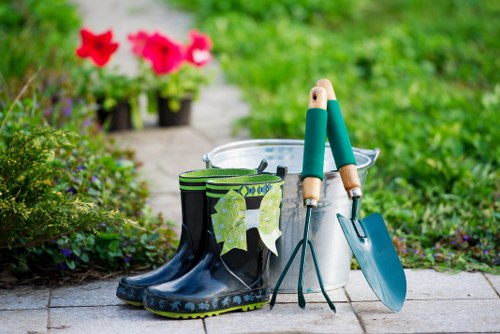
 Gardening Greenwich champions an eco-friendly waste disposal area vision that makes sustainable gardening and safe rubbish handling part of everyday green space care. Our approach balances practical recycling measures with low-carbon logistics and community partnerships so that local gardens and public planting schemes become models of circular resource use.
Recycling and Sustainability for Gardeners in Greenwich
We recognise that a successful sustainable rubbish gardening area depends on clear systems: place separation, easy transfer options, reuse partnerships and a transport fleet designed to minimise emissions. The Royal Borough’s wider approach to waste separation—encouraging food waste, garden/green waste and dry recycling to be collected separately—underpins our neighbourhood-level work.
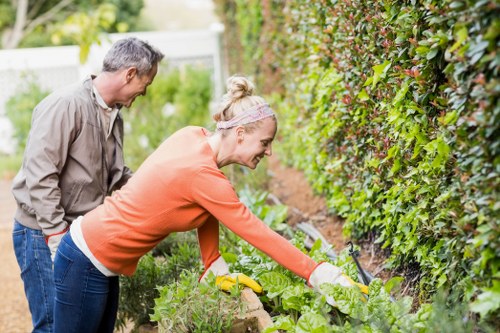
Our Recycling Percentage Target
Gardening Greenwich has set an ambitious recycling percentage target: 65% of garden and household waste diverted from landfill by 2030. This target focuses on materials commonly generated by planting and maintenance activities—green waste, soil and compostable materials, wood and small amounts of contaminated mixed waste—and aligns with borough-wide sustainability goals.
To reach that goal we promote an eco-aware disposal model which combines household-level separation with centralised collection points for larger, non-standard items from community gardens and allotments. Residents are encouraged to use the borough separation scheme along with our local green hubs.
Local Transfer Stations and Resource Hubs
 We work with nearby transfer stations and recycling hubs to make disposal simple and local. Typical transfer locations serving the area include Greenwich transfer facilities and nearby Riverside/Deptford recycling hubs that accept segregated green waste, bulky garden waste and clean soils. These transfer stations are vital for turning collected material into compost, mulch and recycled aggregate for reuse in planting beds.
By routing garden waste to these local sites instead of landfill, we reduce heavy vehicle miles and enable materials to be processed into resources for parks, community orchards and school gardens.
Partnerships with charities and social enterprises are central to our strategy. We partner with local community organisations, social enterprises and garden charities to:
- Redistribute usable items—donating tools, planters and soil conditioner to community gardening groups;
- Upcycle and reuse—turning reclaimed timber and broken pots into raised beds and plant supports;
- Train and employ—creating local green jobs in composting and low-carbon collection services.
These partnerships allow us to keep materials in the local circular economy and support community wellbeing without creating extra waste streams.
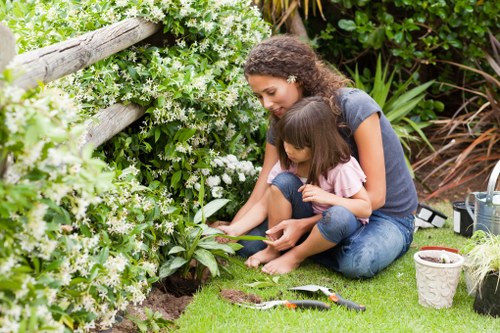
Low-Carbon Vans and Sustainable Logistics
Garden waste collection and bulky item removal are often transport-intensive. Gardening Greenwich is transitioning to low-carbon vans—electric light commercial vehicles (e-LCVs) and plug-in hybrids—and integrating cargo bikes for short inner-borough runs. Route optimisation and consolidated pickups reduce vehicle miles and emissions, helping our sustainable rubbish gardening area model be both effective and climate-conscious.
Operational changes include scheduled bulk pickups for community gardens, coordinated drop-off windows at transfer stations, and incentivised small-scale compost returns to households and allotments.
Practical Recycling Activities and Borough Coordination
The borough’s approach to separation—collecting food waste, garden waste and dry recyclables separately—makes it easier to manage gardening waste properly. Common recycling activities supported locally include:
- Green waste composting at community sites;
- Mulch-making from prunings for borough parks;
- Soil screening and reuse in raised beds;
- Tool and material reuse via charity-driven exchanges.
These actions reduce disposal costs, cut carbon, and improve soil health for urban horticulture.
How residents and green volunteers can help: separate organic and recyclable materials at source, bring larger items to scheduled transfer hubs, and support local charity exchanges when equipment is no longer needed. Small changes—like segregating woody pruning from mixed waste—have outsized benefits for the whole system.
We also encourage community planting projects to specify reclaimed materials and certified compost in procurement, prioritising products that close the loop locally. This keeps valuable nutrients in the borough and avoids long-distance transport of both raw soils and finished compost.
Gardening Greenwich continues to refine the sustainable rubbish gardening area concept with pilot schemes, charity partnerships, and a steady conversion of its vehicle fleet to low-carbon alternatives, all aimed at delivering our 65% recycling ambition and improving the local environment for residents and wildlife alike.