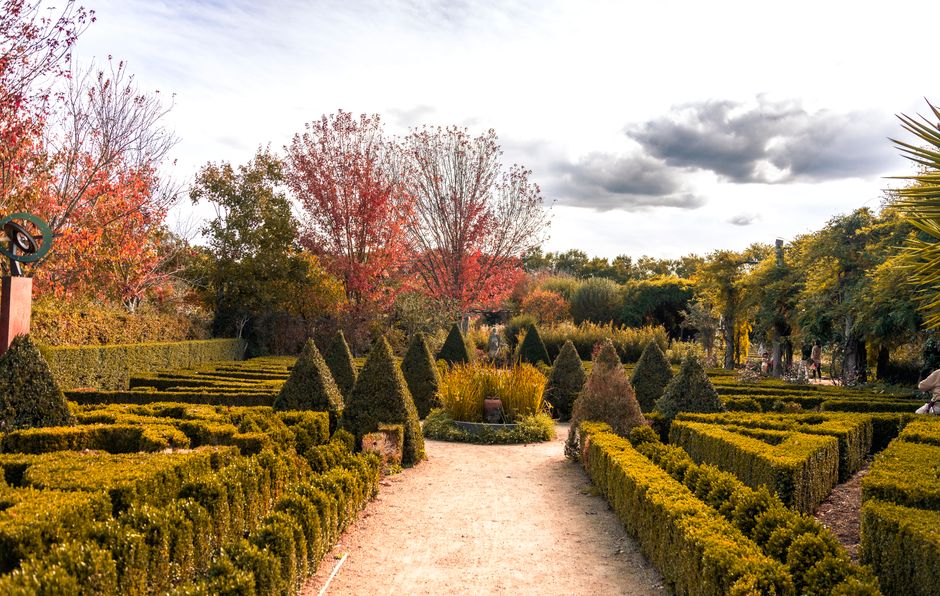
Maze Hill garden makeover ideas from local gardeners
If your outdoor space in Maze Hill feels a bit tired, patchy, or just not quite pulling its weight, you are not alone. A lot of gardens in this corner of London have the same challenge: useful size, real character, but not always a clear plan. That is exactly where Maze Hill garden makeover ideas from local gardeners become so valuable. Local gardeners tend to know the quirks of the area, the light, the wind, the soil, and the everyday reality of making a garden look good without turning it into a maintenance headache.
In this guide, we will walk through what a garden makeover can involve, how local gardeners usually approach it, and which improvements give the best return in looks, use, and long-term ease. You will find practical ideas, common mistakes, a comparison of options, and a checklist you can actually use. No fluff. Just the useful bit.
And yes, we will keep it real. A garden does not need to look like a magazine spread to feel finished. Sometimes it just needs better structure, a smarter layout, and a few well-chosen details. That is often enough to change the whole mood.
Table of Contents
- Why Maze Hill garden makeover ideas from local gardeners matters
- How Maze Hill garden makeover ideas from local gardeners works
- Key benefits and practical advantages
- Who this is for and when it makes sense
- Step-by-step guidance
- Expert tips for better results
- Common mistakes to avoid
- Tools, resources and recommendations
- Law, compliance, standards, or best practice
- Options, methods, or comparison table
- Case study or real-world example
- Practical checklist
- Conclusion
- Frequently asked questions
Why Maze Hill garden makeover ideas from local gardeners Matters
Maze Hill has a distinct feel. It is urban, well-connected, and full of gardens that often have to do a lot with a little. Many homes have compact plots, overlooked corners, shaded sections, or hard landscaping that has worn out over time. A thoughtful makeover is not just about prettiness. It is about making the space work for your life.
Local gardeners bring something useful that broader, generic advice often misses: they understand the microclimates and practical conditions nearby. South-facing spaces can bake in summer. Narrow side returns can become damp and gloomy. Exposed garden sections can be windier than you would expect, especially around taller buildings. These details change what will thrive and what will quietly struggle along.
There is also the lifestyle side. In a busy part of London, many people want a garden that feels calm but does not demand constant attention. That might mean evergreen structure, raised beds, easy-clean paving, or planting that still looks good when you are too busy to fuss over it. Truth be told, a lot of successful makeovers begin with one question: how much time do you actually want to spend out here each week?
Local insight matters because it reduces guesswork. A gardener who has worked nearby will usually have a better sense of what holds up through the seasons, what needs protection, and what creates the right balance between style and upkeep. That saves time, money, and a fair bit of frustration.
How Maze Hill garden makeover ideas from local gardeners Works
A garden makeover is rarely one big dramatic act. More often, it is a sequence of sensible decisions. The best Maze Hill garden makeover ideas from local gardeners usually follow the same pattern: assess, simplify, shape, then plant and finish.
First comes the assessment. This means looking at what you already have, what works, and what gets in the way. Is there enough light? Where does water sit after rain? Which areas feel cramped? Which views need softening? Local gardeners often start by walking the space at different times of day, because the same garden can look and behave very differently at 9 a.m. and 6 p.m.
Then comes simplification. Many gardens feel chaotic because they have too many small, disconnected elements. A makeover might remove old clutter, overgrown shrubs, broken edging, or a tired lawn that no longer earns its keep. This stage can feel a bit ruthless, but it usually creates the breathing room the garden has been missing.
Next is structure. That might mean defining paths, adding a seating area, introducing raised beds, or using hedging and screening to break up the space. Structure is what makes a garden feel designed rather than accidental.
Finally, planting and finishing details bring the whole thing together. This is where the garden starts to feel alive again. Plants are chosen not just for looks, but for habit, resilience, seasonal interest, and maintenance level. A local gardener will often lean toward combinations that do well in London conditions and still look decent when the weather does its usual mixed bag routine.
If you want a practical starting point, landscape gardening and regular garden maintenance often sit at the heart of a successful makeover. One gives the structure; the other keeps the result looking intentional.
Key Benefits and Practical Advantages
A good makeover does more than improve appearance. It changes how the garden feels to use, and how easy it is to keep up. That is the real advantage, honestly.
- Better everyday use: You may gain a place to sit, dine, grow herbs, or simply enjoy a cup of tea without feeling squeezed in.
- Stronger first impression: A tidy, well-shaped garden lifts the whole property, especially if the rear space is visible from the house.
- Lower maintenance: Smart planting and layout can reduce repetitive jobs like constant trimming, re-turfing, or battling weeds in awkward corners.
- Improved privacy: Screening, hedging, and layered planting can soften overlooked areas without making the garden feel boxed in.
- Better seasonal interest: With the right mix of structure and planting, the garden can look good beyond just one summer window.
- More usable space: Compact gardens often become more functional once circulation, seating, and storage are planned properly.
There is also a quiet emotional benefit. A garden that feels considered tends to get used more. You notice the space earlier in the day. You step outside more often. Even a small garden can feel like a proper extension of the home when it has shape and purpose.
One small detail gardeners often mention is the difference a clean edge makes. A simple edge between lawn and border, or gravel and planting bed, can make a garden look finished in minutes. Little thing, big effect.
Who This Is For and When It Makes Sense
These ideas are a good fit if your garden feels underused, overgrown, outdated, or a bit of a jumble. They are especially useful if you live in a property where space is limited and every square metre has to earn its place.
You might benefit from a makeover if:
- your garden has become hard to maintain
- the layout does not suit how you actually live
- the space lacks privacy or screening
- plants are failing because the conditions are wrong
- the lawn is patchy, worn, or more trouble than it is worth
- you want a more polished look without a full rebuild
- you are preparing a property for sale or let and want better kerb appeal
It also makes sense if you are at the "I know something needs doing, but I do not know where to begin" stage. That stage is very normal. In fact, it is probably where many of the best projects begin. The starting point is not perfection. It is clarity.
For households with limited time, a low-maintenance design can be the deciding factor. For keen gardeners, the makeover might be about creating better planting structure, better soil, or more room for seasonal colour. Different goals, same principle: the garden should fit the people using it, not the other way round.
Step-by-Step Guidance
Here is a practical way to approach a Maze Hill garden makeover without making it overly complicated.
- Walk the garden properly. Do this at different times of day if you can. Note where the sun lands, where water pools, where you avoid stepping, and what you actually like about the space.
- Set one clear goal. Do you want more seating, better planting, privacy, a play area, or a smarter entertaining space? Pick the main purpose first. Everything else should support that.
- Clear what is no longer useful. Remove dead plants, broken pots, tired edging, and anything that blocks the garden without adding value. A bit of ruthless editing helps.
- Decide on the structure. Choose where paths, beds, seating, or screening should go. Structure comes before decorative extras. Always.
- Sort the soil and drainage. If the ground is tired, compacted, or poorly draining, planting will struggle. This is one of those boring jobs that pays off later.
- Select plants for the actual conditions. Sunny, shady, windy, dry, damp, sheltered, exposed - these factors matter more than fashion. Pretty labels do not help if the plant sulks all summer.
- Choose materials that suit the house and street. Natural stone, brick, gravel, timber, or composite materials can all work, but they should feel coherent with the property.
- Add finishing layers. Lighting, pots, trellis, mulch, and outdoor furniture bring the project together. Do not rush these details. They are the polish.
- Plan for maintenance from day one. A garden that looks great for two weeks and then falls apart is not a successful makeover. It needs a care plan, even if it is a simple one.
A useful shortcut? Start with the part of the garden you see most from inside the house. If the view from the kitchen or living room feels good, the whole home tends to feel better. You will notice it every morning, usually while waiting for the kettle to boil.
Expert Tips for Better Results
Local gardeners tend to use a few reliable tricks that make a big difference without inflating the budget or overcomplicating the job.
1. Use layers, not lone features
A single large plant or a random ornament rarely solves a design problem on its own. Layering taller plants, mid-height shrubs, and lower groundcover creates depth and makes the garden feel fuller. It also softens hard lines.
2. Keep the palette controlled
Too many paving colours, too many plant tones, too many materials - and the whole space can start to feel noisy. A restrained palette usually looks more expensive and calmer too. That does not mean boring. It means intentional.
3. Design for winter, not just summer
Many gardens look nice for six weeks and then disappear. Evergreen structure, bark interest, seed heads, and winter-flowering species help the space hold its shape. If you want year-round value, this is the bit to respect.
4. Make maintenance obvious
If access to borders is awkward or trimming is a nightmare, the garden will gradually lose its edge. Keep paths practical, beds reachable, and shrubs sized with future growth in mind. It is easier to trim a hedge when you can actually reach it. Obvious, yes. Still missed all the time.
5. Do not ignore the "boring" corners
Bins, side passages, fence lines, and dark ends of the garden often shape the experience more than the centrepiece does. A tidy side return or a smart screen can lift the whole area. Those corners matter.
If you are thinking about privacy, it can help to look at planting and screening together rather than as separate jobs. A relevant starting point is this guide to tall potted plants for privacy, especially if your garden feels overlooked but you do not want to build a heavy barrier.
Common Mistakes to Avoid
Even good gardens can go sideways when a few practical basics are missed. The most common mistakes are usually the least glamorous ones.
- Choosing plants for looks alone: A plant that looks lovely in the nursery may be completely wrong for a windy or shady spot.
- Overfilling the space: Too many features make a small garden feel smaller. Leave room to breathe.
- Forgetting drainage: If water sits where it should not, paving can stain, planting can suffer, and the garden can become muddy at the wrong times of year.
- Using hard materials everywhere: A garden with too much hard landscaping can feel cold and echoey. Balance matters.
- Ignoring the view from inside: If the garden looks messy from the kitchen window, you will feel it every day.
- Skipping maintenance planning: A makeover is not finished when the last plant goes in. It is finished when the space can be kept looking good.
Another one, and this happens a lot: people buy plants in a rush because the space feels empty. Then they plant, step back, and realise the arrangement is a bit off. Not ruined, just awkward. The fix is usually spacing, repetition, and a calmer mix. Garden design rewards patience more than impulse.
Tools, Resources and Recommendations
You do not need a warehouse of equipment to improve a garden, but having the right tools makes the job safer and less frustrating. For many small to medium projects, a sensible toolkit and a clear plan will get you a long way.
Useful tools
- spade and border fork for digging and soil prep
- pruning shears for tidying shrubs and perennials
- hedge trimmer for controlled shaping
- rake for levelling and clearing debris
- wheelbarrow for moving soil, waste, and mulch
- gloves, kneeling pad, and sturdy boots
- string line and tape measure for layout
Practical resources to consider
- professional garden maintenance if you want the result kept tidy
- landscape gardening support for redesign, layout, and hardscape work
- hedge trimming when boundaries need a neat, regular finish
- garden clearance if the space needs a reset before the makeover begins
- tree lopping and removal where large growth is blocking light or creating risk
If the garden has become a genuine tangle, garden clearance can be the clean starting point. If the issue is a heavy canopy or a tree that is taking over the light, tree lopping and removal may need to be considered carefully and professionally.
For readers who want to understand the wider service picture before deciding, the services overview is a useful place to see how different jobs fit together. You can also review pricing and quotes when you are ready to compare options in a sensible way.
Law, Compliance, Standards, or Best Practice
Garden makeovers are usually straightforward, but there are still a few best-practice points worth keeping in mind. In the UK, any work involving trees, larger shrubs, drainage, boundaries, or access paths should be planned carefully, especially in built-up areas like Maze Hill where neighbouring properties can be close.
If you are removing significant vegetation, making structural changes, or dealing with potentially shared boundaries, it is wise to check local requirements and any property-specific restrictions before work begins. That is especially true for trees, where informal assumptions can become expensive mistakes. Better to pause and confirm than rush and regret it later.
Health and safety also matters. Good practice includes safe tool handling, protective equipment, clear access routes, sensible lifting, and caution around hidden hazards such as buried cables, uneven paving, or unstable old timber. For more detail on how a professional approach is handled, see health and safety policy and insurance and safety.
Recycling and waste handling should also be part of the plan. Green waste, soil, timber, and old hard landscaping do not vanish by magic. A responsible approach to disposal keeps the project cleaner and often tidier too. If sustainability matters to you, recycling and sustainability is worth a look in principle.
Finally, if you are hiring help, ask about method, timing, access, and what happens if conditions change. A reputable provider should be comfortable explaining how the work will be managed. Clear expectations save everyone from crossed wires. Mildly old-fashioned advice, maybe, but still the best kind.
Options, Methods, or Comparison Table
Not every garden needs the same level of intervention. Sometimes you need a refresh. Sometimes you need a rebuild. Sometimes just a firm tidy-up and a clearer plan. The table below gives a simple way to compare common approaches.
| Approach | Best for | What it usually includes | Typical upside | Watch out for |
|---|---|---|---|---|
| Light refresh | Gardens that are mostly functional but look tired | Pruning, edging, weeding, mulch, small planting changes | Quick visual lift, lower cost, minimal disruption | May not solve layout issues or drainage problems |
| Makeover with structure | Gardens that feel awkward or underused | New borders, seating, screening, paths, planting plan | Better flow, stronger design, more usable space | Needs more planning and a realistic budget |
| Full redesign | Gardens with major layout problems or serious overgrowth | Clearance, hard landscaping, planting scheme, lighting, finishing | Biggest transformation and best long-term function | More time, more coordination, more decisions |
If your space is small, a light refresh can sometimes be all that is needed. But if the garden has no structure at all, a bigger reset may be smarter in the long run. There is no prize for doing the wrong size job. None at all.
Case Study or Real-World Example
Here is a realistic example based on the kind of project local gardeners often take on in Maze Hill.
A narrow rear garden had a tired lawn, a couple of overgrown shrubs, and a seating area that barely got used because it felt cramped and overlooked. The owners wanted something calm, neat, and easy to maintain. Nothing dramatic. Just better.
The first step was clearance. Old clutter, dead material, and awkward self-seeded growth were removed. That immediately made the space feel larger. Next, the layout was simplified. A defined path led from the back door to a new sitting area, and the planting beds were made wider and less fiddly. Instead of a patchy lawn fighting for attention, the design gave the eye a clear route through the garden.
Planting focused on structure first: evergreen shapes, a few seasonal flowering plants, and repeating textures rather than lots of random specimens. Screening was added with taller plants and trellis in the key overlooked spots. The result was not flashy, but it was calm, private, and much easier to live with.
The best part? It felt better immediately, not just after everything had matured. That is the trick, really. A good makeover should make the space more usable from day one, while still improving over time. Gardening has a long memory. It rewards the patient.
Practical Checklist
Use this checklist before you start, or before you ask someone to quote for the work.
- Identify the main goal: more privacy, more seating, easier maintenance, better planting, or a full redesign.
- Measure the space: know your key dimensions before buying materials or plants.
- Check sunlight and shade: note which areas get morning, afternoon, or very little sun.
- Look at drainage: see where water collects after rain.
- Decide what to remove: list the plants, features, or materials that no longer belong.
- Choose a style direction: neat and modern, soft and planted, natural and relaxed, or a mix that suits the house.
- Plan the seating: think about where you would actually sit and use the garden.
- Consider maintenance: be honest about how much time you want to spend each month.
- Think about privacy: decide whether screening, hedging, or planting layers will help.
- Ask about waste handling: especially if the project includes clearance or tree work.
- Review timing: spring and early autumn are often practical windows, but the right timing depends on the job.
- Budget for finishing touches: mulch, edging, lighting, and pots can make a bigger difference than people expect.
If you want a little extra inspiration on keeping planting alive through colder months, this winter plant protection guide can help you think ahead. It is not glamorous, but it is the kind of preparation that saves a lot of disappointment later.
Conclusion
Maze Hill garden makeover ideas from local gardeners work best when they are grounded in the real garden, not a fantasy version of it. That means paying attention to the light, the layout, the amount of upkeep you can handle, and the way you actually want to use the space. A good makeover is less about cramming in features and more about making the garden calmer, clearer, and easier to enjoy.
Start with the basics: clear what is not working, define the structure, choose plants for the conditions, and finish with details that make the space feel cared for. Whether you are aiming for a light refresh or a full redesign, local knowledge can save time and help you avoid the usual traps.
The nicest gardens often are not the loudest ones. They are the ones that feel right when you step outside on an ordinary Tuesday and think, yes, this works. That feeling matters more than people admit.
Get a free quote today and see how much you can save.
Frequently Asked Questions
What are the best Maze Hill garden makeover ideas from local gardeners for a small garden?
For small gardens, the best ideas usually focus on structure, privacy, and low-clutter planting. Repeating a few plant types, using vertical screening, and creating one clear seating area often works better than trying to do too much.
How do local gardeners decide what to keep and what to remove?
They usually look at health, usefulness, visual value, and maintenance burden. If a plant is healthy and suits the space, it may stay. If it blocks light, crowds the garden, or needs constant rescue, it is often better to remove it.
Is a full garden makeover always necessary?
No, not at all. Some gardens only need a tidy-up, better edging, and smarter planting. A full redesign makes sense when the layout is wrong, drainage is poor, or the space has become difficult to use.
What makes local gardening knowledge so useful in Maze Hill?
Local gardeners understand the practical conditions nearby, including light levels, exposure, and the way urban gardens often behave in different seasons. That can make planting and layout choices much more reliable.
How long does a garden makeover usually take?
It depends on the scope. A simple refresh may take a short visit or two, while a more involved redesign can take longer because of clearance, materials, planting, and finishing work.
Should I plan the planting before or after the hard landscaping?
Usually after the main structure is in place. Hard landscaping sets the framework, and planting then softens and completes the design. That sequence avoids awkward spacing and mismatched proportions.
What are the most common mistakes people make?
The biggest ones are choosing the wrong plants, overcrowding the space, ignoring drainage, and not planning for maintenance. Those issues tend to show up slowly, then all at once. Annoying, but fixable.
Can a garden makeover improve privacy without building a fence?
Yes. Layered planting, trellis, screens, climbers, and taller pots can all help soften overlooked areas. In many gardens, a mix of these works better than a single solid barrier.
Do I need to think about maintenance before the makeover starts?
Absolutely. A beautiful garden that is too hard to keep up usually stops looking good quite quickly. It is better to choose a design that fits the time and energy you actually have.
Are there any best-practice checks before tree work or major clearance?
Yes. It is sensible to consider property boundaries, local restrictions, access, and safety before major tree or clearance work begins. If in doubt, ask the provider to explain how they handle those checks.
What should I ask for when requesting a quote?
Ask what is included, how waste will be handled, whether materials are included, what happens if hidden issues appear, and how long the job is expected to take. A clear quote is usually a sign of a well-run job.
What is the simplest way to start if I feel overwhelmed?
Start with a walk-through and make three lists: what to remove, what to keep, and what the garden needs most. That alone can turn a vague problem into something manageable. Small beginning, big difference.