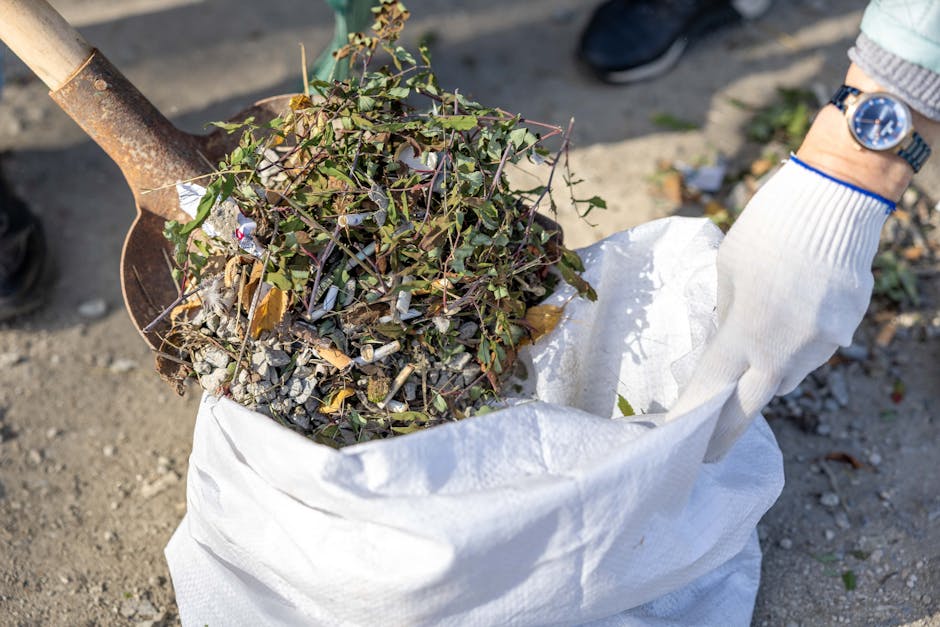
What to know about Greenwich council garden waste rules for gardeners
If you garden in Greenwich, garden waste rules can shape everything from a quick hedge trim to a full seasonal clear-up. Miss the details, and you can end up with spoiled collections, extra labour, or a pile of green waste sitting in the way on a wet Monday morning. Get them right, and life is simpler. That is really the heart of what to know about Greenwich council garden waste rules for gardeners: how to sort, store, and remove green waste without making work for yourself.
In this guide, we'll walk through the practical side of it all. You'll see why the rules matter, how they usually work in real gardening jobs, what people commonly get wrong, and how to stay efficient if you handle regular maintenance, hedge trimming, lawn care, or larger clearances. We'll also look at sensible best practice for gardeners who want tidy results without faff. Truth be told, garden waste is rarely glamorous. But it can be very manageable.
Why these garden waste rules matter
Garden waste rules are not just admin. They affect the way a job is planned, the time it takes, and whether the waste can be moved cleanly and legally. For local gardeners in Greenwich, that matters because small jobs often happen on tight schedules. A standard hedge cut, for example, can create more material than people expect. One minute you are clipping, the next minute you are staring at sacks full of branches, grass, and soft cuttings. A bit messy. Very normal.
These rules matter for a few simple reasons:
- Collection eligibility: some materials are accepted as garden waste, others are not.
- Sorting: mixed rubbish can cause problems and may need separate handling.
- Storage: waste may need to be bagged, bundled, or kept in a way that avoids spillages.
- Timing: leaving waste out too early or too late can create avoidable issues.
- Reuse and recycling: green waste is often best handled in a way that supports composting or recycling rather than landfill.
For gardeners, it is also about reputation. A tidy finish is part of the service. Homeowners notice it. Neighbours notice it too, especially when a front garden is involved and the street is quiet in the late afternoon. If you want your work to look professional, waste handling is part of the job, not an afterthought.
There is another side as well: safety. Loose branches, thorny clippings, damp sacks, or broken pots left near a path can become a trip hazard. That is why clear waste management is closely tied to good garden maintenance, not just compliance.
If you are planning broader work, it can help to think beyond waste alone and look at the whole service flow. Many gardeners pair routine clearance with garden maintenance so the garden stays manageable week to week, rather than turning into a once-a-year rescue mission.
How the rules work in practice
Most council garden waste arrangements in the UK follow a similar logic, even though the exact local procedure can differ. In plain English, green waste is generally treated separately from household rubbish. That means the material should be clean, plant-based, and free from contaminants like plastic, stones, old compost bags, or general junk.
In practical terms, gardeners usually need to think about three things:
- What the waste is: grass cuttings, leaves, hedge trimmings, small twigs, weeds, and other organic material.
- How it is presented: sacks, bins, bundled branches, or other approved containers, depending on the collection method.
- Whether it is clean enough: soil-heavy roots, treated timber, plant pots, and mixed rubble can fall outside garden waste rules.
That last point catches people out. A pile of "garden stuff" may still contain items that are not garden waste at all. A broken terracotta pot, a bag of dead leaves, and a chunk of fence post do not travel together very well. One may be recyclable through garden waste, one may not, and one may belong elsewhere entirely.
When working on a larger plot or a neglected outdoor space, it is common to break the job into stages. First the obvious green waste. Then the heavier material. Then anything that belongs in a separate clearance route. That approach is cleaner, and honestly, less stressful.
If a project is beyond a simple tidy-up, many local gardeners use a dedicated garden clearance service structure so waste can be removed as part of the work rather than left for a later trip.
What usually counts as garden waste
- Grass cuttings
- Leaves
- Weeds
- Hedge trimmings
- Small prunings
- Plant matter from bed tidy-ups
- Loose soil attached to roots in small amounts, where accepted
What often does not count
- Plastic plant pots and trays
- General household rubbish
- Food waste
- Concrete, soil in bulk, or rubble
- Old timber, treated wood, or fencing
- Garden furniture
- Anything contaminated with oil, paint, or chemicals
Rules can also be affected by the collection method. Some services are designed for lightly packed green waste only. Others are more forgiving. The key is not to guess. A quick check before you start loading saves time later and avoids awkward conversations at the kerbside. Nobody wants that.
Key benefits and practical advantages
Following the right garden waste rules gives you more than compliance. It improves the quality of your work and makes the whole job flow better.
- Cleaner garden presentation: the site looks finished, not half-done.
- Less rework: you avoid sorting waste twice or dealing with rejected loads.
- Better scheduling: collections and removals are easier to plan.
- Lower disruption: less mess on paths, driveways, and access points.
- Improved sustainability: green waste can often be recycled or composted rather than discarded as general waste.
- More professional service: clients see a smoother, more organised process.
There is also a practical cost angle. If waste is mixed carelessly, it may need to be separated later, and that can mean more labour. If you have ever spent ten minutes disentangling damp ivy from a sack full of general clippings, you will know exactly what I mean. It is not hard work, just annoying. And annoying adds up.
For many homeowners, the biggest win is peace of mind. They want the garden to look right and the waste to disappear without fuss. Gardeners who understand the local rules are in a better position to provide that calm, reliable experience. That matters whether you are mowing a small courtyard or dealing with an overgrown front hedge after a stormy week.
It also supports a more sustainable way of working. If you want your gardening approach to be as responsible as it is practical, it is worth looking at the business side too. The team behind recycling and sustainability is a useful example of how garden work can be organised with less waste and more care.
Who this is for and when it makes sense
This topic matters for anyone who creates, handles, or arranges garden waste in Greenwich. That sounds broad, because it is. The most obvious people are professional gardeners, but the same rules affect landlords, homeowners, property managers, and tenants doing their own tidy-ups.
It especially makes sense to pay attention when you are:
- cutting lawns regularly
- trimming hedges or shrubs
- clearing seasonal leaf fall
- prepping a garden for a move-out or sale
- resetting a neglected or overgrown garden
- removing dead planting after winter
- carrying out landscaping work that creates mixed waste streams
A good example is hedge work. A light trim may produce a few sacks of green waste. A severe reshape after years of neglect is a different beast entirely. The material can include thick branches, woody stems, and a surprising number of hidden bits collected from the hedge over time. Bits of old twine too, sometimes. The sort of thing that turns up when you least want it to.
Gardeners who already provide hedge trimming or lawn mowing services should pay extra attention, because regular jobs create regular waste. That means the collection method needs to be repeatable, reliable, and easy to explain to clients.
If you only garden occasionally, the rules still matter. In fact, casual users often make more mistakes because they assume all plant waste is treated the same. It is not. Not quite, anyway.
Step-by-step guidance
Here is a simple, practical way to handle garden waste without overcomplicating things.
- Identify the waste stream. Separate green waste from general rubbish, rubble, timber, and reusable items.
- Remove contaminants. Pull out plastic labels, plant ties, broken pots, and any non-organic debris.
- Sort by weight and volume. Light clippings can go together, while thicker branches may need bundling or a separate plan.
- Choose the right container. Use the format expected for the collection route you are using. Do not overfill it.
- Check access and placement. Make sure sacks or bins can be collected safely and without blocking pedestrians, gates, or driveways.
- Keep timing in mind. Put waste out when it is meant to go out, not the evening before if that is likely to cause a problem.
- Plan for leftovers. Have a backup plan for material that does not fit the green waste stream.
In a small garden, this is straightforward. In a larger one, a bit of staging helps. Try working from the back of the garden towards the exit, setting separate piles as you go. That way, you do not drag the same branches across clean paving twice. Sensible, really.
If you are dealing with a full reset or post-growth clear-up, the flow of work can matter more than the actual cutting. Many teams combine waste handling with broader garden maintenance so the cuttings, the beds, and the final tidy are all handled in one clean sequence.
A quick practical workflow
- Cut or prune first
- Stack waste by type
- Remove obvious contamination
- Load or bag the green material
- Separate heavier non-green items
- Do a final sweep for loose debris
That last sweep matters more than people think. A few stray stems on a patio can make a freshly finished garden look unfinished, and customers notice that instantly.
Expert tips for better results
After enough garden jobs, you start to see the same patterns. The best results usually come from simple discipline rather than clever shortcuts.
- Cut with waste in mind. If you are trimming a hedge, think about how the material will be handled before you start.
- Keep green waste clean. The cleaner the load, the easier the collection or recycling route.
- Use smaller bundles for woody cuttings. They are easier to move and less likely to spill.
- Dry out wet cuttings a little if possible. Soaked grass is heavier and more awkward to handle.
- Separate bulky items early. Do not leave timber, stones, or old planters mixed into green bags.
- Protect access routes. A bit of cardboard or a sheet on a driveway can reduce mess when loading.
Another useful trick is to work from the waste backwards. Ask yourself: what will be hardest to remove later? That old stump? The thorny rose clippings? The pile of ivy hiding under the fence line? Deal with those first. It is much easier than leaving them until the end when you are already tired and mildly fed up.
For more complex outdoor projects, you may also want to align waste handling with wider site planning. If your work includes reshaping beds, new surfaces, or redesigning outdoor space, then the organisational side matters just as much as the planting side. You can see that thinking reflected in broader landscape gardening and landscaping services, where waste removal is part of the full picture rather than a separate headache.
Common mistakes to avoid
Most garden waste issues come from a handful of avoidable mistakes. Simple ones, usually. The sort you do once, then never want to repeat.
- Mixing garden waste with general rubbish. This is the big one.
- Leaving soil, rubble, or timber in green bags. It can make the load non-compliant.
- Overfilling containers. Bags split. Bins tip. Everyone has a bad day.
- Using the wrong collection method for bulky waste. Branches and root balls are not the same as soft clippings.
- Ignoring access issues. Waste placed badly can block paths or create nuisance.
- Not checking the latest local arrangements. Council rules can change, and garden work is often seasonal.
Another common issue is timing. A lot of people clear the garden when they finally have a free hour, then realise collection windows are already tight. That is how sacks sit around for days, attracting rain and becoming heavier by the minute. Not ideal.
There is also a professional mistake: assuming the same waste plan works for every property. It does not. A terraced garden, a flat with rear access, and a large family garden all create different loading and storage problems. You have to read the space. That is half the job, really.
Tools, resources and recommendations
You do not need a huge kit to manage garden waste well. A few basic tools and a sensible setup go a long way.
| Tool or resource | Why it helps | Best for |
|---|---|---|
| Heavy-duty garden sacks | Easy to move and sort green waste | Clippings, leaves, weeds |
| Pruning shears and loppers | Create cleaner cuts and manageable branch sizes | Hedges, shrubs, light branches |
| Rake and leaf scoop | Speeds up collection of loose material | Lawns, borders, paths |
| Tarpaulin or sheet | Keeps loads together and protects access routes | Bulkier clear-ups |
| Wheelbarrow | Makes repeated trips less tiring | Larger gardens |
| Local service guidance | Confirms current expectations before you load waste | Any gardener in Greenwich |
If you are quoting for jobs, it also helps to factor waste handling into the price from the start. That keeps expectations clear and avoids awkward surprises later. The page on pricing and quotes is a helpful reminder that good pricing should reflect the real work involved, not just the visible cutting or digging.
For businesses or homeowners who want a wider view of available support, the services overview can help you understand how different gardening tasks fit together. Waste handling is rarely a standalone issue. It usually sits inside a bigger job, and seeing that bigger job clearly makes planning much easier.
One more practical recommendation: keep your own notes. If you manage multiple properties in Greenwich, record what type of waste each site typically creates, how much it produces, and what container or collection method worked best. It sounds a bit nerdy. It is. But it saves time next month.
Law, compliance, standards and best practice
Garden waste handling sits in a wider framework of environmental and local authority practice. The exact rules for collection, set-out, accepted materials, and contamination thresholds are set locally, so it is wise not to rely on guesswork or old habits. Councils can update procedures, collection days, and container requirements over time.
For gardeners, the safest approach is to treat green waste as a separate waste stream and to keep it as clean as possible. That aligns with standard UK waste best practice, especially where recycling and composting are the likely destination. In simple terms: keep plant waste plant-like.
There are also wider duties around safety and responsible site work. Good practice usually means:
- avoiding unsafe stacking or blocked access
- preventing trip hazards during and after work
- using suitable manual handling techniques
- keeping work areas tidy as you go
- separating materials that need different disposal routes
If a job involves heavier cutting, tree work, or awkward access, the standard of care should rise too. That is where careful planning matters most. For example, tree branches, dense shrubs, and bulk cuttings may need a different approach from a light mow-and-edge job. A specialist tree lopping and removal service is a good example of work that can create waste requiring more deliberate handling.
Professional gardeners should also think about insurance, site safety, and clear customer communication. If waste handling is part of the service, customers should know what is included. Not fancy language. Just clarity. It avoids disputes and keeps everyone on the same page.
For businesses that want to show responsible operations more broadly, the insurance and safety and health and safety policy pages reflect the sort of standards clients expect from a serious, well-run gardening company.
Options, methods and comparison table
There is more than one way to deal with garden waste. The right choice depends on the size of the job, the type of material, and how quickly the waste needs to go.
| Method | Best for | Pros | Trade-offs |
|---|---|---|---|
| Council green waste collection | Routine clippings, leaves, and light trimmings | Simple, often cost-effective, familiar process | May have strict container or contamination rules |
| On-site composting | Leaves, grass, and some soft material | Reduces waste and supports reuse | Not suitable for all material and needs space |
| Private garden clearance | Large volumes, mixed waste, overgrown gardens | More flexible, faster for big jobs | Usually more expensive than routine disposal |
| Split waste handling | Jobs with both green waste and non-green items | Cleaner, more accurate sorting | Requires more organisation |
For regular gardeners, the council route often makes sense for the predictable stuff. For bigger jobs, a clearance approach is usually less stressful because it allows you to deal with the whole site properly. That is especially true when you are dealing with mixed material after pruning, weeding, and a bit of long-neglected corner clearing. We have all seen those corners.
Sometimes the best answer is a blend. Keep the clean green waste separate for recycling or collection, and arrange another route for timber, soil, or broken hard landscaping items. It is more work up front, but less hassle later.
Case study or real-world example
A local gardener in Greenwich is asked to tidy a rear garden after a long spell without maintenance. The job includes lawn cutting, hedge trimming, dead plant removal, and a small border clear-out. At first glance, it looks like one straightforward waste pile. In practice, it turns into three.
The first pile is soft green waste: grass, leaves, and light trimmings. That can be bagged cleanly. The second pile is woody hedge material, which is bulkier and needs bundling so it does not stab through sacks or scatter on the path. The third pile contains broken plant pots, old ties, and a few bits of mixed debris. That lot is separated before anything is moved.
The result is a cleaner finish, less time spent sorting at the end, and a much smoother collection process. The client sees a tidy garden, the gardener avoids waste rejection, and the whole thing feels more professional. Nothing dramatic. Just sensible work done properly.
That same approach works well on routine jobs too. A weekly mow with edging may create almost no drama. But when you add seasonal leaf fall, weeds, and a border cutback, the waste picture changes fast. If you are already doing lawn mowing as part of a regular visit, the main advantage is consistency: less waste, more predictability, fewer surprises.
Practical checklist
Use this before and after the job.
- Have I separated green waste from general rubbish?
- Have I removed pots, plastic ties, stones, and timber?
- Is the waste clean enough for the intended collection route?
- Are sacks, bins, or bundles not overloaded?
- Can the waste be collected safely without blocking access?
- Do I know where bulky or non-green material will go?
- Have I checked timing and placement expectations?
- Have I done a final sweep for loose clippings and stems?
- Have I explained the waste plan clearly to the client?
- Have I allowed enough time for sorting, not just cutting?
That checklist sounds simple, because it is. But simple is good. Simple keeps jobs moving.
Conclusion
Understanding what to know about Greenwich council garden waste rules for gardeners is mostly about working neatly, sorting properly, and planning waste handling as part of the job rather than as an afterthought. Once you do that, the whole process becomes easier. The garden looks better, the workload feels lighter, and you are far less likely to run into avoidable collection issues.
For gardeners, the best habit is to think in waste streams: green waste, bulky waste, hard waste, and anything that should be kept separate. That small shift in thinking can save a surprising amount of time. And let's face it, nobody enjoys doing the same job twice.
If you are managing regular maintenance, a seasonal clear-up, or a bigger outdoor project, keep your waste plan simple, safe, and realistic. That is usually where the best results come from. One tidy decision at a time.
Get a free quote today and see how much you can save.
Frequently Asked Questions
What counts as garden waste in Greenwich?
In general, garden waste means plant-based material such as grass cuttings, leaves, weeds, hedge trimmings, and small branches. Anything mixed with plastic, rubble, timber, or general rubbish should be separated before disposal.
Can I put soil in the garden waste collection?
Usually, soil is treated differently from green waste. Small amounts attached to roots may be acceptable in some situations, but bulk soil often needs a separate disposal route. It is always better to check before loading it in with clippings.
Do hedge trimmings count as garden waste?
Yes, hedge trimmings normally fall under garden waste, provided they are clean and free from contamination. Very thick woody sections may need special handling if they are bulky.
What should I do with plastic plant pots and trays?
Do not mix them with garden waste. Plastic pots, trays, and labels should be separated and disposed of through the appropriate non-green route. They are a common contamination source.
Can gardeners in Greenwich use the same waste method for every job?
Not really. A light lawn cut is very different from a major clearance or a hedge reduction. The best waste method depends on the type, amount, and cleanliness of the material.
Is garden waste recycling better than general waste disposal?
Usually yes. Green waste is often more suitable for recycling or composting than for mixed disposal. Keeping it separate supports a cleaner, more sustainable process.
What happens if garden waste is contaminated?
Contaminated loads may be rejected, require sorting, or need to be handled as a different waste stream. That can mean more labour and more delay. A bit of prevention goes a long way.
How can I make garden waste easier to manage?
Sort as you work, use sturdy bags or bundles, keep access routes clear, and separate bulky items early. A clean workflow beats a rushed one every time.
Do I need a garden clearance service for larger jobs?
If the garden is heavily overgrown, contains mixed waste, or has bulky material to remove, a dedicated clearance approach may be the most practical option. It keeps the job organised and avoids waste piling up.
How do waste rules affect pricing for gardening jobs?
Waste handling adds time, labour, and sometimes extra disposal steps. That is why it should be considered in quotes rather than treated as an afterthought. Clear pricing is much easier for everyone.
What is the biggest mistake gardeners make with garden waste?
The most common mistake is mixing garden waste with non-garden material. It seems harmless in the moment, but it can create collection problems and extra work later. Easy to do, easy to avoid.
Where can I learn more about the services linked to waste handling?
You can look at the site's services overview for a broader view of the types of garden work that often generate waste, from maintenance to clearance and landscaping.